Syria, political Islam will not have a second chance
EUGENIO GARCIA GASCON
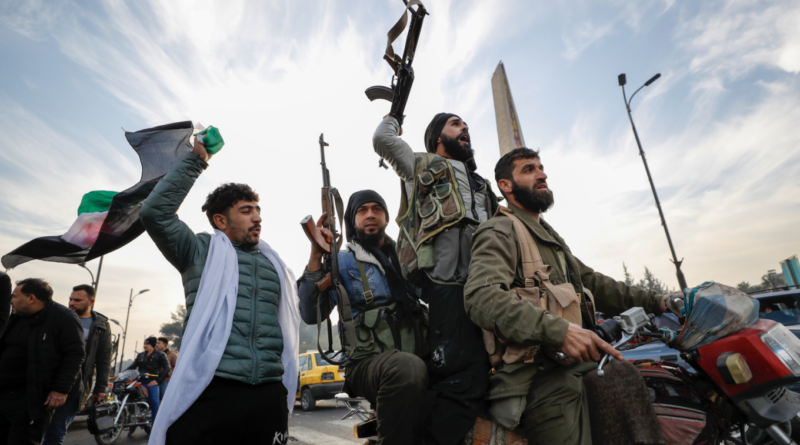
With the Greater Syria Liberation Organization in Damascus, speculation is open about the future of the country, which has been completely devastated by the international boycott, because Baathism, a socialist and pan-Arab ideology, never had the opportunity to exercise power, neither before 2011 nor after 2011, after the so-called Arab Spring.
The Baath's attempts have been left behind, thwarted time and again by Israeli-Western interference, which went so far as to punish Syria with terrible and undeserved sanctions that made any undertaking impossible, even before 2011. This continued situation has led to a supreme disaster, and the rapid advance of the rebels shows to what extent this has been the case.
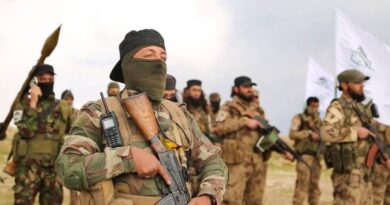
In principle, the leader of the Greater Syria Liberation Organization, Abu Mohammad al-Jawlani, will have to decide what his next steps will be. Al-Jawlani has recently made statements in which he abandons the Salafist-jihadism that he embraced for many years and opts for an indefinite current of Islam that is theoretically more palatable to Western agents.
Although it is too early to predict which direction it will take, one possibility is that it will move towards political Islam, which would in principle give this movement a second chance after the Muslim Brotherhood in Egypt had after the 2011 revolt. However, the opportunity for political Islam only exists on paper.
Just as regional powers, starting with Israel and continuing with Saudi Arabia and the Emirates, aborted the first attempt at political Islam in Egypt, these same forces will abort a possible second attempt in Syria, since its success would represent a direct threat to those same regimes, which are very wary of mixing religion and politics.
Unlike Christianity, in Islam the whole of society must be subject to religion, and this also applies to politics. For most of history this has been the case, and Islamists want to bring back this way of living Islam, a way in which everything, including politics, is subject to the will of religious belief.
This could be a line similar to that of Recep Tayyip Erdogan. Not in vain, the Turkish president and main supporter of Al-Jawlani, supported the Egyptian government of the Muslim Brotherhood until the end. However, his efforts failed in the face of resistance from regional powers, Israel, Saudi Arabia and the Emirates, which made the government of the Muslim Brotherhood difficult and sponsored the coup d'état of Abdel Fattah al-Sisi at the first opportunity.
Moreover, the regional powers are completely distrustful of Erdogan, a politician who is slowly re-Islamizing Turkey and whose friendship with political Islam makes any autocrat in the region nervous, since for them, as for Israel, political Islam constitutes the main threat to their continued power.
These leaders will do everything in their power to put an end to such whims, and this predicts difficult times for Syria, probably fraught with violence, and which in the medium term, as in Egypt, could end with a coup d'état. However, such a scenario will not take long, since Syria currently has no army, since the most prominent soldiers were Alawites and are now in the catacombs, so it will be necessary to form another army.
In line with what happened with the Muslim Brotherhood in Egypt, the Syrian Islamists claim to protect minorities. This may be the wish of the Islamist elites, but it should not be forgotten that there have been significant clashes in Egypt with Coptic Christians, probably because there are radical sectors within popular Islam, or even because of possible foreign interferences wishing to create difficulties for political Islam.
Since December 8, when Bashar al-Assad left Damascus and left everything in the hands of the Islamists, the Syrian theatre will be even more sensitive to foreign interference. Most of this interference comes from countries that have clear interests in not allowing the development of political Islam. It may be that in the short term political Islam will gain some momentum, but in the medium or long term it will be boycotted by all regional powers, with the exception of Erdogan.
Eugenio Garcia Gascon has been a correspondent in Jerusalem for 29 years. He is a Cirilo Rodríguez journalism award winner.
EUGENIO GARCIA GASCON
- EUGENIO GARCIA GASCON

- EUGENIO GARCIA GASCON

- EUGENIO GARCIA GASCON

- EUGENIO GARCIA GASCON

- EUGENIO GARCIA GASCON
- EUGENIO GARCIA GASCON
- EUGENIO GARCIA GASCON
- EUGENIO GARCIA GASCON
- EUGENIO GARCIA GASCON
- EUGENIO GARCIA GASCON
- EUGENIO GARCIA GASCON
- EUGENIO GARCIA GASCON
- EUGENIO GARCIA GASCON
- EUGENIO GARCIA GASCON
- EUGENIO GARCIA GASCON
- EUGENIO GARCIA GASCON
- EUGENIO GARCIA GASCON
- EUGENIO GARCIA GASCON
- EUGENIO GARCIA GASCON
- EUGENIO GARCIA GASCON
- EUGENIO GARCIA GASCON
- EUGENIO GARCIA GASCON
- EUGENIO GARCIA GASCON
- EUGENIO GARCIA GASCON
- EUGENIO GARCIA GASCON

- EUGENIO GARCIA GASCON
- EUGENIO GARCIA GASCON

- EUGENIO GARCIA GASCON

- EUGENIO GARCIA GASCON
- EUGENIO GARCIA GASCON

- EUGENIO GARCIA GASCON
- EUGENIO GARCIA GASCON
- EUGENIO GARCIA GASCON
- EUGENIO GARCIA GASCON
- EUGENIO GARCIA GASCON
- EUGENIO GARCIA GASCON

- EUGENIO GARCIA GASCON
- EUGENIO GARCIA GASCON
- EUGENIO GARCIA GASCON
- EUGENIO GARCIA GASCON
- EUGENIO GARCIA GASCON
- EUGENIO GARCIA GASCON
- EUGENIO GARCIA GASCON
- EUGENIO GARCIA GASCON
- EUGENIO GARCIA GASCON

- EUGENIO GARCIA GASCON