On the uncertain post-war in Gaza
EUGENIO GARCIA GASCON
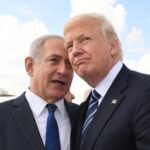
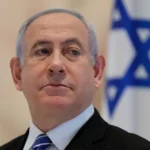
Benjamin Netanyahu has said that some Arab countries such as Egypt, Saudi Arabia or the United Arab Emirates could take over the administration of the Gaza Strip later, after the war. But his words are calculatedly vague and have provoked a series of reactions from the countries involved, not very diplomatically friendly.
This is the case of the Emirates, which have said that they will not participate in an administration like the one proposed by Netanyahu, since it would mean providing cover for the occupation suffered by the Palestinians. The Emirati leaders do not rule out having a presence in the Strip later, but as long as a local government endorsed by the people is first established, which will not be an easy task in the current circumstances.
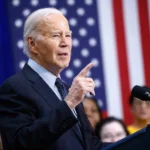
It is not surprising that, in the vast majority of his speeches, Netanyahu focuses on the question of the day after. He surely does it deliberately, because he wants to prolong the current situation as long as possible. In reality, it has been months since Joe Biden's administration put the issue of the day after on the table, and not just once, but the prime minister has been dragging his feet and has avoided responding to his interlocutors.
There have also been voices in Israel in the same direction, to which Netanyahu has not responded either. In our view, this, and his refusal to address anything relating to the day after, confirms that he prefers to continue the war indefinitely in order to eventually present faits accomplis on the ground that are largely irreversible.
On May 15, the anniversary of independence, Netanyahu, harassed by some of his ministers, bluntly emphasized that he is not willing to talk about the future of Gaza until the army finishes off Hamas. He has decided that Israel should concentrate on maintaining pressure against Hamas and should not speculate on the future of the Strip while soldiers fight there.
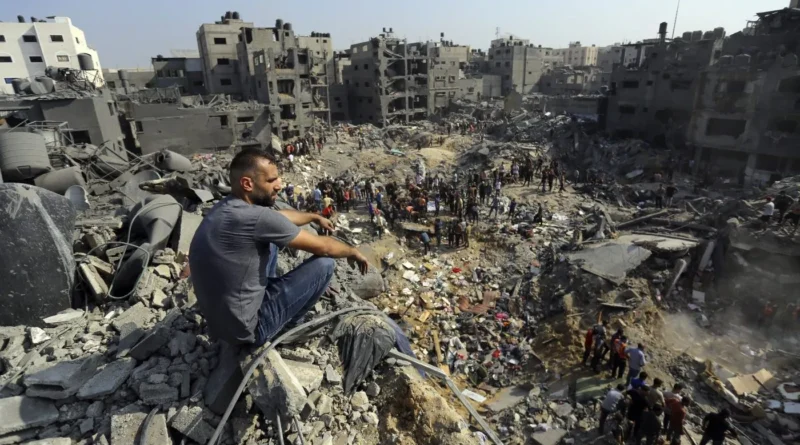
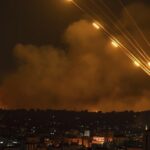
It certainly doesn't look like Hamas is going to fade away overnight. The return of the army these days to the north and center of the Strip, areas that had previously been cleared of militants, underlines that Hamas remains the dominant voice in most of the territory, even more than seven months after the start of the war. , a circumstance that is not lost on ordinary Israelis and that not everyone understands.
It is still difficult to get the idea of what that territory will be like in the postwar period, largely because Netanyahu prefers the continuation of the conflict to a dialogue about the future. Some Israeli political forces have reproached Netanyahu for his attitude, but he insists on continuing with the war, perhaps because he does not want to open the melon of his own survival.
In this sense, it is not surprising that Netanyahu has rejected initiatives that point to the need for the Palestinian Authority in Ramallah to take charge of the governance of the Strip, an idea that has even been suggested by the United States. Netanyahu believes that this could open a negotiation for the creation of a Palestinian state, and therefore rejects it.
Netanyahu's two great promises repeated since October, to defeat Hamas and recover the hostages still held by Hamas, have not been fulfilled seven months after the start of the war and nothing indicates that they will be fulfilled in the short term. This situation creates strong frustration within Israel and surely also among the political class, with the prime minister at the head.
The uncertainty is even greater considering that Netanyahu has been on the line since October. It is evident that he does not want to leave, but the failure of the government and the army has been so glaring and of such magnitude that it does not seem likely that his figure will last much beyond the end of the war. Despite everything, he continues not to give in and in all the interviews he offers (always to foreign and non-Israeli media) he refuses to answer questions about his responsibilities and his future.
The refusal to talk the day after suggests that Netanyahu wants to keep up the pressure on Gaza indefinitely, perhaps until the US elections in November, in the hope that there will be a change of tenant in the White House and that Donald Trump will resign. open to carrying out the expulsion of all or a large part of the Palestinians to Egypt, and from there to their dispersion throughout the world. This would be the ideal solution for a good group of ministers and for a good part of the population of Israel.
Eugenio Garcia Gascon has been a correspondent in Jerusalem for 29 years. He is a Cirilo Rodríguez journalism award winner.
EUGENIO GARCIA GASCON
- EUGENIO GARCIA GASCON

- EUGENIO GARCIA GASCON

- EUGENIO GARCIA GASCON

- EUGENIO GARCIA GASCON

- EUGENIO GARCIA GASCON
- EUGENIO GARCIA GASCON
- EUGENIO GARCIA GASCON
- EUGENIO GARCIA GASCON
- EUGENIO GARCIA GASCON
- EUGENIO GARCIA GASCON
- EUGENIO GARCIA GASCON
- EUGENIO GARCIA GASCON
- EUGENIO GARCIA GASCON
- EUGENIO GARCIA GASCON
- EUGENIO GARCIA GASCON

- EUGENIO GARCIA GASCON
- EUGENIO GARCIA GASCON
- EUGENIO GARCIA GASCON

- EUGENIO GARCIA GASCON
- EUGENIO GARCIA GASCON

- EUGENIO GARCIA GASCON

- EUGENIO GARCIA GASCON
- EUGENIO GARCIA GASCON

- EUGENIO GARCIA GASCON
- EUGENIO GARCIA GASCON

- EUGENIO GARCIA GASCON
- EUGENIO GARCIA GASCON

- EUGENIO GARCIA GASCON

- EUGENIO GARCIA GASCON

- EUGENIO GARCIA GASCON

- EUGENIO GARCIA GASCON
- EUGENIO GARCIA GASCON

- EUGENIO GARCIA GASCON
- EUGENIO GARCIA GASCON

- EUGENIO GARCIA GASCON
- EUGENIO GARCIA GASCON

- EUGENIO GARCIA GASCON
- EUGENIO GARCIA GASCON
- EUGENIO GARCIA GASCON
- EUGENIO GARCIA GASCON

- EUGENIO GARCIA GASCON

- EUGENIO GARCIA GASCON

- EUGENIO GARCIA GASCON

- EUGENIO GARCIA GASCON
- EUGENIO GARCIA GASCON

- EUGENIO GARCIA GASCON