
The exceptional clemency that Netanyahu is requesting
EUGENIO GARCIA GASCON
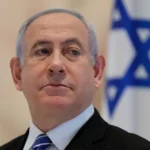
In the midst of his trial, and after nearly six years in court on several corruption charges, Benjamin Netanyahu has requested a pardon from President Isaac Herzog, who will have to decide in the coming weeks. Many experts believe he will likely pardon the prime minister with some conditions, the extent of which is still unknown.
The president still needs some non-binding reports that will be presented to him in the coming weeks, but there is a general feeling in Israel that a pardon is inevitable, even among prominent members of the opposition. At most, Herzog will grant the pardon with some more or less symbolic limitations, such as allowing him to run in future elections and then retiring from political life, although even this is not certain.
On November 30, Netanyahu broke all his promises—and there were many—that he would never obstruct the trial, arguing that he was innocent and had no fear of the judges. “There will be nothing because there was nothing,” he has repeated like a mantra for over a decade in a deeply divided country, an extreme polarization that the opposition rightly attributes to his style of governance.
Experts point out that Netanyahu isn't actually asking for a pardon, since in the letter to Herzog he doesn't admit any guilt, as would be required in a pardon request. What he's asking for is for the ongoing trial to be dismissed as if it had nothing to do with Netanyahu, as if someone who hasn't committed any crime could be pardoned.
The Justice Ministry will now have to prepare a report. Its head, Yariv Levin, is a leading biblical scholar who, with Netanyahu's blessing, is pursuing a plan to neutralize the Supreme Court and turn it into an additional tool of the government, lacking independence and virtually no power over the executive branch.
The Ministry of Justice must submit a report to Herzog regarding the pardon request. The state attorney must submit another report, and the presidential legal service a third. With these three reports, Herzog will issue his decision within a few weeks.
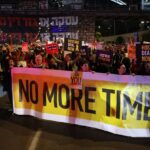
This whole process further strains the already highly divided society, a society that, despite the enormous historical problems it has experienced, has never before faced a situation like the current one, where nationalism and 'religionism' are pushing the country to limits that no one remembers, and where, according to the opposition, democratic tolerance does not even reach the most basic levels.
Hebrew media point to only one precedent of this kind, which occurred in the 1980s when the Shin Bet, the secret service, executed two Palestinian detainees who had committed a terrorist attack. The then-president, who happened to be the father of current President Herzog, pardoned the agents before their trial, although in that case, unlike Netanyahu, the agents admitted their guilt.
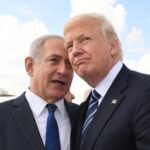
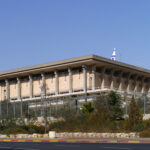
The presence of the US president is not entirely unrelated to everything that is happening. Just a few days ago, before the Knesset, Donald Trump asked Herzog to pardon Netanyahu, which caused moments of general hilarity in parliament, with Herzog and many of those present laughing hysterically at the remark, and with members of the opposition looking bewildered.
Herzog said at the time that if Netanyahu requested clemency, he would study the case professionally. Well, within days Netanyahu has requested a pardon, albeit in a legally curious manner—that is, without admitting any guilt. The wheels are already in motion, and there is no doubt that Herzog will discreetly negotiate the wording of the pardon with Netanyahu himself, according to several media outlets.
Logically, Netanyahu, 76, does not want to retire from active politics and will not accept a pardon that would prevent him from doing so. In this case, if he were barred from participating in politics, he would not accept the pardon, and his trial would continue and could drag on for many more years, due to Netanyahu's consistent strategy of creating permanent delaying tactics in the ongoing proceedings.
But the pardon, if granted, will have to overcome one or more appeals before the Supreme Court, since the opposition will undoubtedly challenge any pardon. The Supreme Court is hostile to Netanyahu, and that is why Netanyahu wants to get rid of it. Therefore, the coming weeks will be complex and will certainly increase political and social polarization.
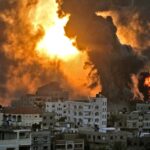
While this is happening in Israel, in the Gaza Strip, where more than 70.000 people have died since October 7, 2023, the situation is far from improving. Netanyahu is obstructing any progress in that direction, and things may become a little clearer this December when the prime minister visits the White House again.
Eugenio Garcia Gascon has been a correspondent in Jerusalem for 29 years. He is a Cirilo Rodríguez journalism award winner.
EUGENIO GARCIA GASCON
- EUGENIO GARCIA GASCON

- EUGENIO GARCIA GASCON

- EUGENIO GARCIA GASCON

- EUGENIO GARCIA GASCON
- EUGENIO GARCIA GASCON
- EUGENIO GARCIA GASCON
- EUGENIO GARCIA GASCON
- EUGENIO GARCIA GASCON
- EUGENIO GARCIA GASCON
- EUGENIO GARCIA GASCON
- EUGENIO GARCIA GASCON
- EUGENIO GARCIA GASCON
- EUGENIO GARCIA GASCON
- EUGENIO GARCIA GASCON
- EUGENIO GARCIA GASCON
- EUGENIO GARCIA GASCON

- EUGENIO GARCIA GASCON
- EUGENIO GARCIA GASCON

- EUGENIO GARCIA GASCON
- EUGENIO GARCIA GASCON
- EUGENIO GARCIA GASCON

- EUGENIO GARCIA GASCON
- EUGENIO GARCIA GASCON
- EUGENIO GARCIA GASCON
- EUGENIO GARCIA GASCON

- EUGENIO GARCIA GASCON
- EUGENIO GARCIA GASCON

- EUGENIO GARCIA GASCON

- EUGENIO GARCIA GASCON
- EUGENIO GARCIA GASCON

- EUGENIO GARCIA GASCON
- EUGENIO GARCIA GASCON

- EUGENIO GARCIA GASCON

- EUGENIO GARCIA GASCON
- EUGENIO GARCIA GASCON
- EUGENIO GARCIA GASCON

- EUGENIO GARCIA GASCON
- EUGENIO GARCIA GASCON
- EUGENIO GARCIA GASCON
- EUGENIO GARCIA GASCON
- EUGENIO GARCIA GASCON

- EUGENIO GARCIA GASCON
- EUGENIO GARCIA GASCON

- EUGENIO GARCIA GASCON
- EUGENIO GARCIA GASCON

- EUGENIO GARCIA GASCON