Trump, Europe and the Middle East
EUGENIO GARCIA GASCON
Although it is difficult to map out in advance the political repercussions that Donald Trump's victory will have on a global level, and especially in Europe and the Middle East, it is quite possible that the next four years will lead to a geography different from the one we know. In old Europe, and in the even older Middle East, on the night of November 5-6, people held their breath until the results were clearly in favor of the former president. Now, some, generally on the right, are taking their time with delight, while others, on the left, are taking the plunge and licking their wounds.
There are those who point out that Trump's victory could be beneficial for Europe, that it could serve as a spur to restructure a continent that has long been in need of a major overhaul. For example, it could help Brussels to relaunch its old defence plans, an extremely ambitious goal that has weakened the continent with each delay.
For decades, Europeans have created a liberal and social-democratic society, and now they are going to rethink the fundamental question of its basic structure. In fact, Europeans from all walks of life, including the most disadvantaged, are thinking about it. Just as many Hispanics, but also blacks and other minorities, voted for Trump, so for years unskilled workers in France have been voting for Marine Le Pen. These French people used to vote for left-wing parties, but in the course of a few years they have made a great leap to the radical right. There is no other way to explain why Le Pen won more than 40 percent of the vote in the second round of the last presidential election.
Why is this shift taking place in the United States and Europe? There are many ways to explain it. But there is a feeling of betrayal in society towards progressive politicians who have veered too far to the left, for example with unemployment benefits. JD Vance, who will be Trump's vice president from January, explains this very well in his autobiography. Many like him, born into lower-class Democratic families, experienced a shift towards the Republican camp, outraged by the benefits that the administrations offer to people they consider lazy and little more than criminals with no desire to work or give anything back to the society that shelters them.
The social democratic approach and spirit that prevails in most of Europe on social issues and unemployment has been quite similar to that in the United States. In France, workers who vote for Le Pen see that some of their neighbors live comfortably on public benefits while they struggle to make ends meet by working hard, and this upsets them and makes them choose Marine Le Pen's ballots when the polls open. It is not surprising that Le Pen's votes keep rising from one election to the next.
A century ago, Thomas Mann predicted that the capitalism of the future would have some features of communism. This has already been achieved if we look at the education, health and unemployment systems of most Western countries. However, there are many who think that the United States and Europe have taken the features of communism too far and that it is necessary to rectify this in order to create a more just society, where there are no poor people but also no people who take advantage of society without doing their part. The social democrat Olof Palme once explained that he had entered politics to put an end to the poor, not to put an end to the rich, as those on the left of social democracy claim. Those who now vote for Trump or Le Pen see themselves as aspirants to societies where effort and talent are rewarded and not just need, at least in the proportions that are occurring in the United States and Europe.
Perhaps what happened with Trump has something to do with this, among other things. In Europe we see similar trends that emerged many years ago and are now spreading. It is possible that with the new Republican president they will become more acute. Another area that will undoubtedly be affected in the United States is mass immigration. In Europe we are witnessing attempts that go in the same direction and that with President Trump will undoubtedly be reinforced. It is true that Europe needs immigrants, but many Europeans do not see it that way or, at least, they demand more rigorous control of this phenomenon.
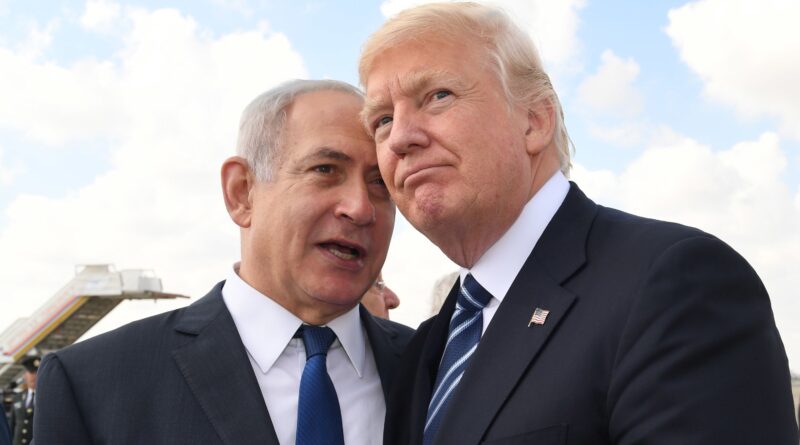
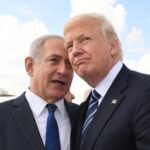
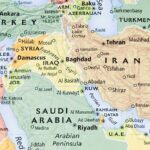
Let us now turn to the Middle East. In his first term, Trump defended Benjamin Netanyahu’s most ultra-conservative policies, so it is not surprising that Netanyahu has applauded his election more than anyone else. Trump has a settlement in his name (Ramat Trump, i.e. Trump Heights) in the Syrian Golan Heights occupied by Israel in 1967. Netanyahu dedicated the settlement to him to thank him for several things: his anti-Iran attitude, the transfer of the American embassy from Tel Aviv to Jerusalem, the pressure on several countries such as Morocco or the Emirates to normalize their relations with Israel, the blind eye to Jewish settlements in the West Bank, and precisely the recognition of the unilateral annexation of the Golan to Israel.
The big puzzle is how far Trump will go with the Gaza Strip. Israel clearly wants to return to colonisation. To facilitate this, it has been keeping the bulk of its population, 2,3 million Palestinians, moving around for a year, without allowing them to stay anywhere safely. The apparent intention is to drive them into Egypt. To do this, he needs the green light from the White House, something Joe Biden has not been willing to grant. The question is whether Trump will allow it. In addition, it remains to be seen what the new president will do with Iran, a problem that could further destabilise the entire Middle East.
Eugenio Garcia Gascon has been a correspondent in Jerusalem for 29 years. He is a Cirilo Rodríguez journalism award winner.
EUGENIO GARCIA GASCON
- EUGENIO GARCIA GASCON

- EUGENIO GARCIA GASCON

- EUGENIO GARCIA GASCON

- EUGENIO GARCIA GASCON

- EUGENIO GARCIA GASCON
- EUGENIO GARCIA GASCON
- EUGENIO GARCIA GASCON
- EUGENIO GARCIA GASCON
- EUGENIO GARCIA GASCON
- EUGENIO GARCIA GASCON

- EUGENIO GARCIA GASCON
- EUGENIO GARCIA GASCON
- EUGENIO GARCIA GASCON
- EUGENIO GARCIA GASCON

- EUGENIO GARCIA GASCON
- EUGENIO GARCIA GASCON

- EUGENIO GARCIA GASCON
- EUGENIO GARCIA GASCON

- EUGENIO GARCIA GASCON
- EUGENIO GARCIA GASCON
- EUGENIO GARCIA GASCON

- EUGENIO GARCIA GASCON
- EUGENIO GARCIA GASCON

- EUGENIO GARCIA GASCON
- EUGENIO GARCIA GASCON

- EUGENIO GARCIA GASCON
- EUGENIO GARCIA GASCON

- EUGENIO GARCIA GASCON

- EUGENIO GARCIA GASCON
- EUGENIO GARCIA GASCON

- EUGENIO GARCIA GASCON

- EUGENIO GARCIA GASCON

- EUGENIO GARCIA GASCON

- EUGENIO GARCIA GASCON

- EUGENIO GARCIA GASCON
- EUGENIO GARCIA GASCON
- EUGENIO GARCIA GASCON
- EUGENIO GARCIA GASCON
- EUGENIO GARCIA GASCON
- EUGENIO GARCIA GASCON
- EUGENIO GARCIA GASCON
- EUGENIO GARCIA GASCON

- EUGENIO GARCIA GASCON

- EUGENIO GARCIA GASCON
- EUGENIO GARCIA GASCON

- EUGENIO GARCIA GASCON